
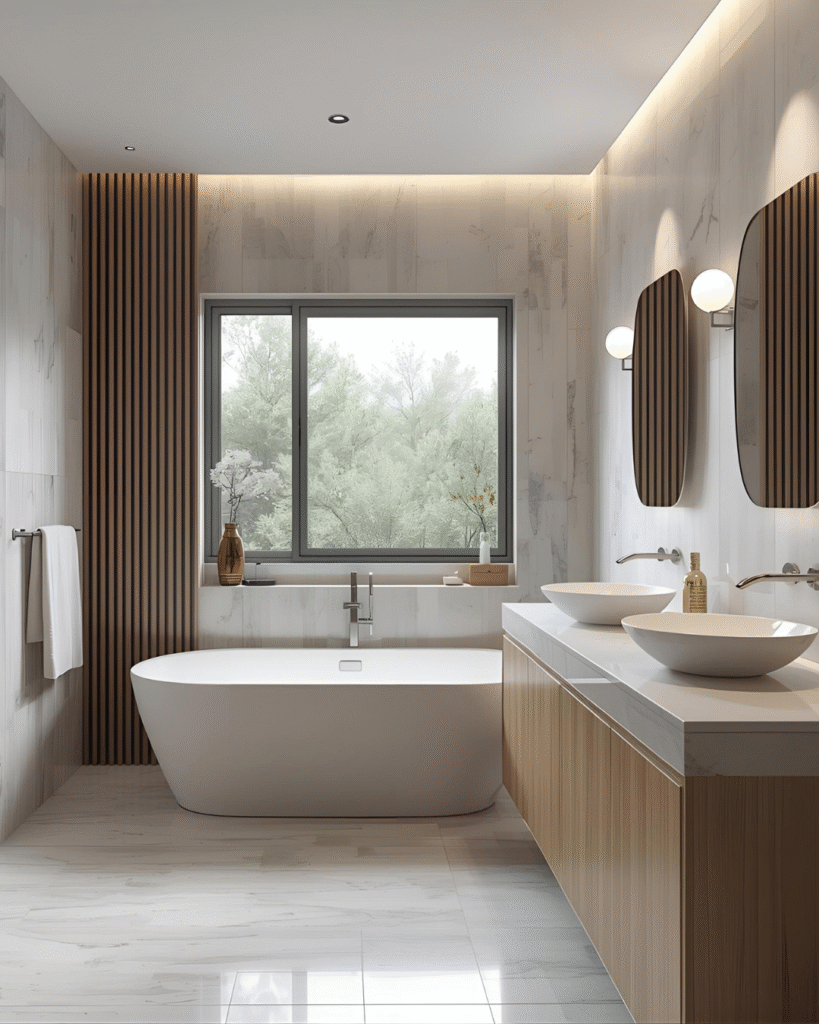
Bathroom Renovations in Southampton: Plumbing Considerations for Your Upgrade
A bathroom renovation can transform one of the most important rooms in your home, adding value, functionality, and a touch of luxury to your daily routine. Whether you are updating a tired en-suite in Shirley, modernizing a family bathroom in Bassett, or creating a spa-like retreat in Ocean Village, the success of your project depends heavily on getting the plumbing right.
As experienced plumbers who have worked on hundreds of bathroom projects across Southampton, we understand that while the tiles, fixtures, and finishes get the attention, it is the hidden plumbing infrastructure that makes or breaks a bathroom renovation. Poor plumbing decisions can lead to inadequate water pressure, leaks, ongoing maintenance headaches, and even structural damage.
This guide walks you through the essential plumbing considerations for your Southampton bathroom renovation, helping you avoid costly mistakes and create a bathroom that looks stunning and functions flawlessly.
Assessing Your Current Plumbing System
Before you finalize any design plans or purchase expensive fixtures, you need to understand what you are working with. Southampton properties vary enormously in age and type, from Victorian terraces in Bedford Place to modern apartments overlooking the waterfront, and each presents different plumbing challenges.
Water Pressure and Flow Rate
Water pressure is perhaps the single most important factor in bathroom functionality. There is nothing worse than installing a beautiful rainfall shower only to discover it dribbles pathetically because your system cannot deliver adequate pressure.
Southampton homes typically have one of three systems: mains pressure (direct from the water supply), gravity-fed from a cold water tank in the loft, or combination boiler systems. Each has different pressure characteristics and limitations. Older properties, particularly in areas like Portswood and Bevois Valley, often have gravity-fed systems with modest pressure. Modern developments usually enjoy good mains pressure. You need to know your system type and measure actual pressure before selecting fixtures.
We always conduct pressure tests early in the planning process. If your pressure is inadequate for your desired fixtures, solutions exist, from pumps to system upgrades, but you need to factor these into your budget and timeline.
Existing Pipe Condition and Location
The age and condition of existing pipes matters enormously. Many Southampton properties built before the 1970s may have lead pipes, while properties from the 1970s and 1980s might have problematic plastic pipes that have degraded. Corroded pipes, limescale buildup (common in Southampton’s hard water area), and poor original installation can all impact your renovation.
Understanding where your main supply pipe enters, where waste pipes exit, and the route of hot and cold feeds helps determine the feasibility of your layout plans. Moving fixtures far from existing pipe runs dramatically increases costs.
Planning Your New Layout
Your ideal bathroom layout must work with the realities of plumbing. While modern bathroom design offers tremendous flexibility, some arrangements are significantly easier and more cost-effective than others.
The Stack Effect
All waste water must drain away effectively, which means maintaining proper falls (gradients) in waste pipes. Toilets require direct connection to soil stacks or adequate waste pipe runs. When bathrooms stack above each other in multi-storey houses, plumbing becomes much simpler and more reliable.
If you are considering moving your toilet location significantly, understand that this often requires macerator pumps or extensive pipe modifications. Macerators work but need maintenance and can be noisy, something to consider in Southampton’s many terraced and semi-detached properties where sound travels between rooms.
Shower Placement
Shower placement depends on your water system. Power showers and rainfall showers demand good pressure and flow. If you dream of a drenching shower experience but have low pressure, positioning the shower near the hot water cylinder or installing a pump becomes necessary.
Electric showers draw directly from the cold water main and heat water on demand. They work well with low-pressure systems but require proper electrical supply. Southampton homes, particularly older properties, may need electrical upgrades to accommodate high-kilowatt electric showers.
Basin and Bath Positioning
Basins and baths offer more flexibility than toilets. You can run supply pipes fairly easily, and waste pipes can travel further with proper falls. However, running pipes across rooms increases costs and creates bulkheads or boxing that impacts your finished aesthetic.
Choosing the Right Fixtures
With your plumbing system assessed and layout planned, you can select fixtures that work with your system rather than against it.
Taps and Showers
Fixture specifications include minimum pressure requirements, usually expressed in bar. A fixture requiring 2 bar pressure simply will not perform well on a 0.5 bar gravity-fed system. Always check these specifications against your actual pressure.
For Southampton properties with varying pressure, thermostatic mixer showers offer excellent temperature stability. They adjust automatically to pressure fluctuations, which is particularly useful in properties where pressure varies when taps are used elsewhere in the house.
Toilets
Modern toilets are far more water-efficient than older models, an important consideration for your water bills. Wall-hung toilets create a sleek, contemporary look and make floor cleaning easier, but they require substantial work to conceal the cistern and frame within the wall. This only makes sense if you are already undertaking significant structural work.
Close-coupled toilets (with cistern attached to the pan) remain the most practical choice for most renovations. They are reliable, easy to install and maintain, and available in countless styles.
Baths
Freestanding baths look spectacular but require careful plumbing consideration. Floor-mounted taps need pipe runs beneath floors. If you are working with a concrete floor, this becomes challenging. Freestanding baths also need waste pipes cleverly concealed, which is not always straightforward.
Built-in baths offer easier plumbing access, with pipe work concealed behind bath panels. They are the practical choice for most Southampton homes, especially in upper-floor bathrooms where floor modifications are difficult.
Upgrading Your Plumbing Infrastructure
A bathroom renovation presents the perfect opportunity to upgrade underlying plumbing, even if you are not experiencing problems. Prevention is far cheaper than emergency repairs after your beautiful new bathroom is finished.
Repiping Considerations
If your property has old pipes showing signs of corrosion, frequent leaks, or poor pressure, consider repiping during renovation. Modern copper or plastic barrier pipe systems offer excellent longevity and reliability.
Many Southampton properties have a mixture of pipe materials from various repair jobs over the decades. Standardizing to one good quality system eliminates future compatibility issues and gives you decades of trouble-free service.
Water Pressure Solutions
If your water pressure assessment reveals inadequate pressure for your desired fixtures, several solutions exist. Pump installation can boost pressure significantly, perfect for gravity-fed systems. Combination boiler replacement converts gravity-fed systems to mains pressure throughout. Accumulator tanks store water at pressure for consistent delivery. Each solution has cost implications and suitability depends on your specific system and requirements.
Water Softeners
Southampton falls within a hard water area, meaning limescale buildup affects taps, showers, and heating elements. A bathroom renovation is an ideal time to install a water softener. Softened water keeps fixtures cleaner, reduces limescale buildup, improves soap lathering, extends appliance life, and can improve skin and hair condition.
While not essential, many of our Southampton clients who install water softeners during renovations are delighted with the results.
Heating Your Bathroom
A warm bathroom is a comfortable bathroom, particularly important during Southampton’s damp winters.
Heated Towel Rails
Heated towel rails serve dual purposes, drying towels and warming rooms. They come in two types. Central heating towel rails connect to your existing heating system, requiring hot water pipe connections. Electric towel rails simply need an electrical connection and offer independent control.
For most Southampton bathrooms, electric heated towel rails offer the best flexibility, particularly as they can operate outside heating season for towel drying without heating the whole house.
Underfloor Heating
Underfloor heating creates luxurious warmth and eliminates radiators, freeing up wall space. Electric underfloor heating, installed beneath tiles, is relatively straightforward during renovation. Water-based systems, while more efficient for large areas, require significant floor buildup and complex plumbing.
For typical Southampton bathrooms, electric underfloor heating paired with a heated towel rail provides excellent comfort without excessive complexity.
Ventilation and Moisture Control
Bathrooms generate tremendous moisture. Without proper ventilation, condensation damages decorations, encourages mold growth, and can even affect structural elements. Southampton’s coastal humidity makes effective ventilation particularly important.
Building regulations require mechanical ventilation in bathrooms without openable windows. Even bathrooms with windows benefit from extractor fans. Modern fans with humidity sensors activate automatically, preventing moisture buildup without wasting energy.
Ensure your extractor fan vents externally, not into the loft space. Venting moisture into lofts causes serious problems including rotted timbers and damaged insulation. We regularly encounter this issue in older Southampton properties where fans were fitted improperly.
Budgeting for Plumbing Work
Plumbing typically represents 15-25 percent of total bathroom renovation costs, varying with project complexity. Basic bathroom plumbing for a straightforward refresh with minimal pipe modifications might cost £800-1,500. Mid-range projects relocating some fixtures, upgrading pipework, and installing new systems typically run £2,000-4,000. Extensive renovations completely reconfiguring layouts, installing pumps, or upgrading entire systems can reach £5,000-8,000 or more.
These figures are guidelines for Southampton properties. Exact costs depend on property specifics, fixture choices, and work scope. Always obtain detailed quotes before commencing work.
Remember that quality plumbing work adds value beyond the immediate installation. Reliable plumbing means fewer callbacks, no leaks damaging new finishes, and systems that work flawlessly for years. Cutting corners on plumbing to save a few hundred pounds is false economy.
Building Regulations and Compliance
Bathroom renovations must comply with building regulations covering water supply, drainage, ventilation, and electrical safety. While you do not typically need planning permission for internal bathroom renovations, building regulations still apply.
Qualified plumbers should understand these requirements thoroughly. Work should be certified appropriately, particularly any modifications to hot water systems or drainage. Southampton City Council can provide guidance on local requirements, though reputable plumbers handle this as part of their service.
Timing Your Bathroom Renovation
Bathroom renovations disrupt household routines significantly. If you only have one bathroom, timing becomes crucial. Plumbing work represents the longest lead time in most bathroom projects. A straightforward renovation might leave your bathroom out of action for 5-10 days. More complex projects requiring significant pipe modifications or system upgrades can take 2-3 weeks.
Discuss timing carefully with your plumber. Many Southampton families arrange to stay with relatives for the most disruptive period, particularly if young children are involved. Others rent temporary accommodation for complex renovations.
Good plumbers work efficiently to minimize disruption, but rushing plumbing work to save a day or two risks poor installation that causes problems later.
Choosing Your Plumber
Your choice of local plumber significantly impacts renovation success. Look for plumbers who are Gas Safe registered if working on heating systems, experienced specifically with bathroom renovations, willing to work collaboratively with other trades, able to provide references from recent Southampton projects, and offering clear, detailed quotes.
Beware of quotes significantly cheaper than others. They often indicate corners will be cut, inferior materials will be used, or the tradesperson lacks proper qualifications. A few hundred pounds saved now could cost thousands in repairs later.
Getting Started
A successful bathroom renovation begins with proper planning. Before you commit to any design or purchase fixtures, arrange a plumbing consultation. A good plumber will visit your property, assess your existing system, discuss your plans, identify potential challenges, and provide realistic guidance on what is achievable within your budget.
This initial consultation is invaluable. It might reveal that your dream layout needs modifications, that your budget should include a pump installation, or that your existing pipes should be replaced. Better to know these things before you have ordered expensive fixtures or tiles.
Professional Support for Your Southampton Bathroom
At our Southampton plumbing company, we have helped hundreds of local homeowners navigate bathroom renovations. We understand the specific challenges of properties across Southampton, from period homes in Highfield to modern apartments in the city center.
Our approach combines technical expertise with practical advice. We will honestly tell you what works, what does not, and what represents the best value for your circumstances. We work collaboratively with builders, tilers, and electricians to ensure your renovation proceeds smoothly.
If you are planning a bathroom renovation in Southampton, contact us for an initial consultation. We will visit your property, discuss your requirements, assess your plumbing system, and provide clear advice on the best approach for your project. Whether you are planning a simple refresh or a complete luxury renovation, we are here to ensure the plumbing works perfectly from day one.